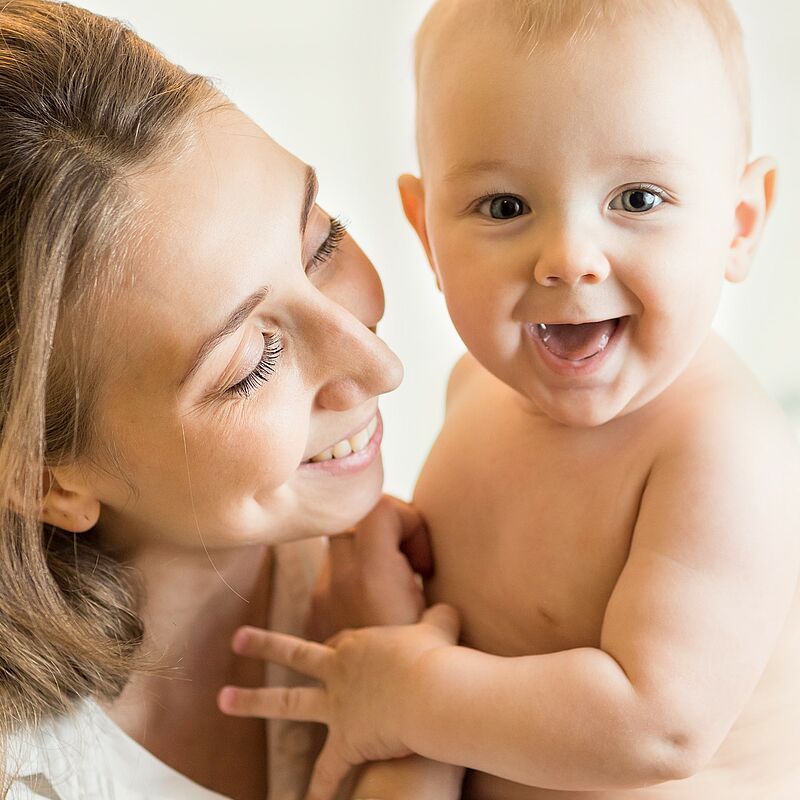
Układ odpornościowy dziecka
W chwili urodzenia układ odpornościowy dziecka nie jest jeszcze dojrzały.


The information on this part of the website is intended only for health care professionals.I am an expert within the meaning of Act No. country xy. I herewith confirm that I am a professional according to this definition.
Unfortunately, as you are not a health care professional we cannot provide you this information.
The gut microbiota develops early in life and continues to evolve rapidly during the first 1000 days




Amanda, Mum of two under two “BioGaia has been part of our family routine for years now. I first discovered BioGaia Protectis Baby Drops when my toddler was a baby. With my youngest I began taking BioGaia during pregnancy and gave it to my little one from birth. It just became a natural part of our routine.”
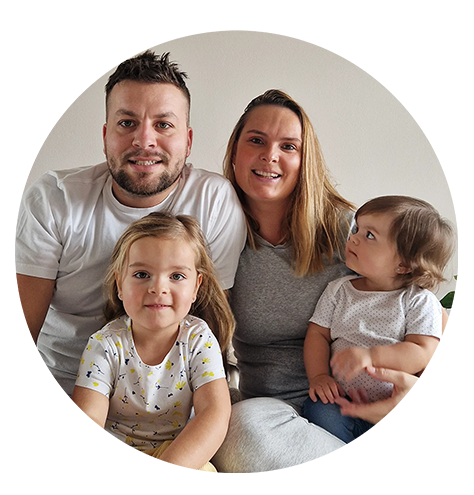
The Fojtik family “BioGaia has been with us from the very beginning. We first used BioGaia Protectis Baby Drops with our older daughter as a baby, and now it’s part of the routine for both girls. It helps support their little tummies from baby days to their first steps into new groups.”
W chwili urodzenia układ odpornościowy dziecka nie jest jeszcze dojrzały.

W przeciwieństwie do innych witamin, organizm może sam produkować witaminę D. Z tego powodu nie działa ona jak większość witamin w naszym organizmie, ale raczej jak hormon – substancja przekaźnikowa, która reguluje istotne procesy fizjologiczne.